TODAY

Can you tell if your child is actually getting better?

Not what you hope. Not what the report said last term. This week — is your child's thinking stronger than it was a month ago?

Most parents can't answer that. Not because they don't care. Because nobody shows them.

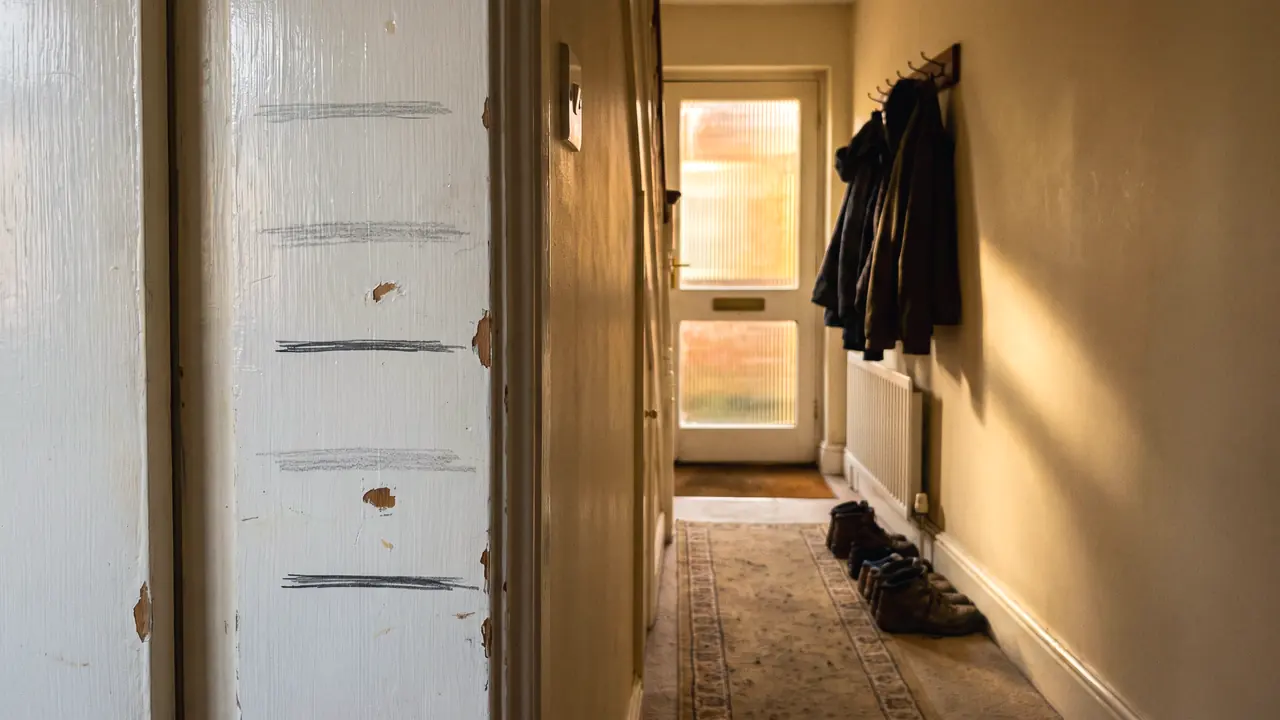
Every home has one of these. None of them show the other kind of growing.

EVERY YEAR

Three children. You'll recognise at least one.

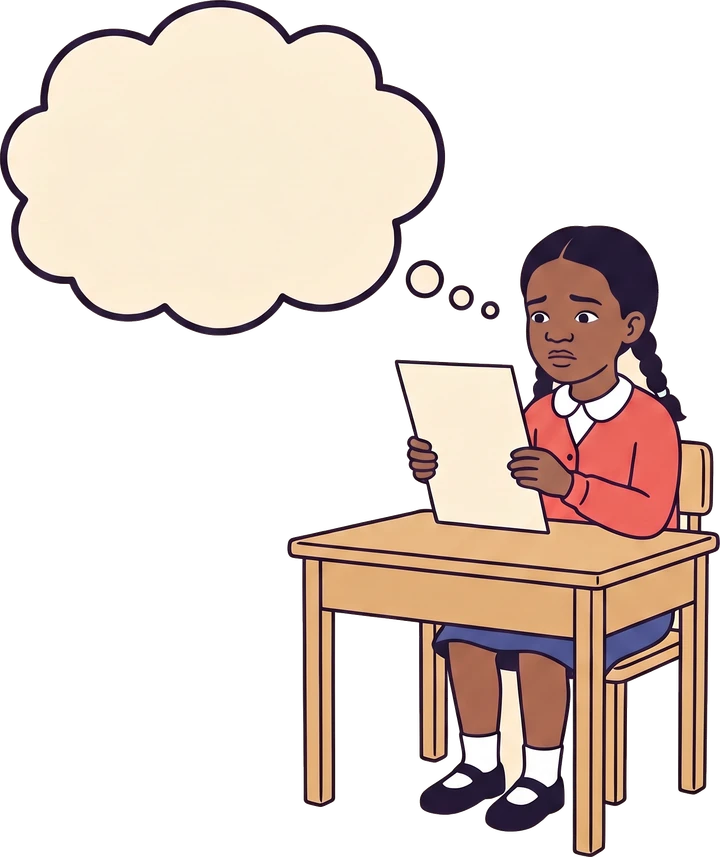
A drawing of a girl at a school desk holding up a blank sheet of paper, looking at it uncertainly, with an empty thought bubble above her.

I think I'm just not clever.

NO TUTOR

Amara

Nine years old. Sharp — her teacher says so. But there's no money for a tutor, so when the practice paper landed on her desk, she'd never seen anything like it. She came home and told her mum: I think I'm just not clever.

She's wrong. Nobody has shown her that.
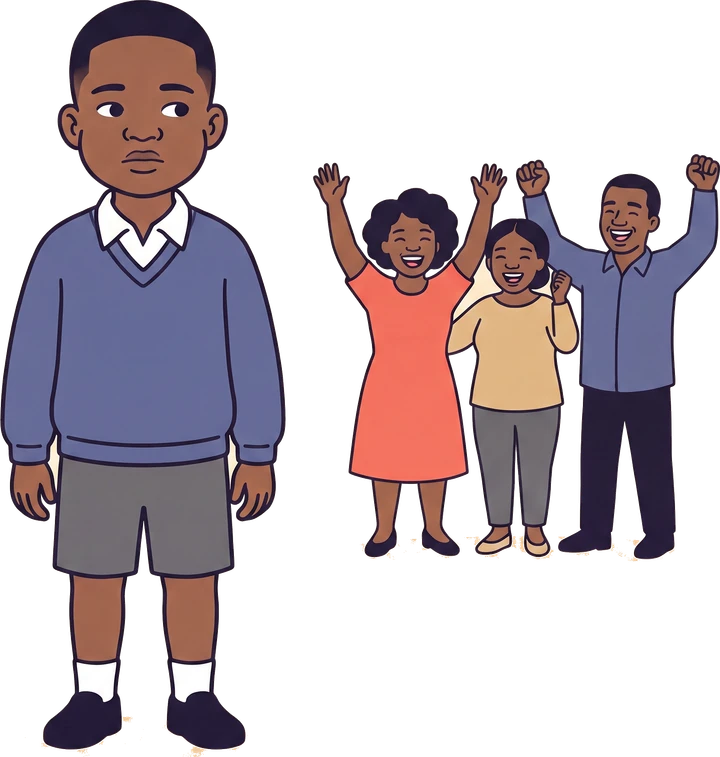
A drawing of a boy standing still and expressionless in the foreground while three adults behind him celebrate with their arms raised.

PASSED

Daniel

Two years of weekend worksheets, and he got his place. His family celebrated, and they were right to. But Daniel learned how to answer those questions. He never learned how to think through one he'd never seen. And every year after, the questions get newer.

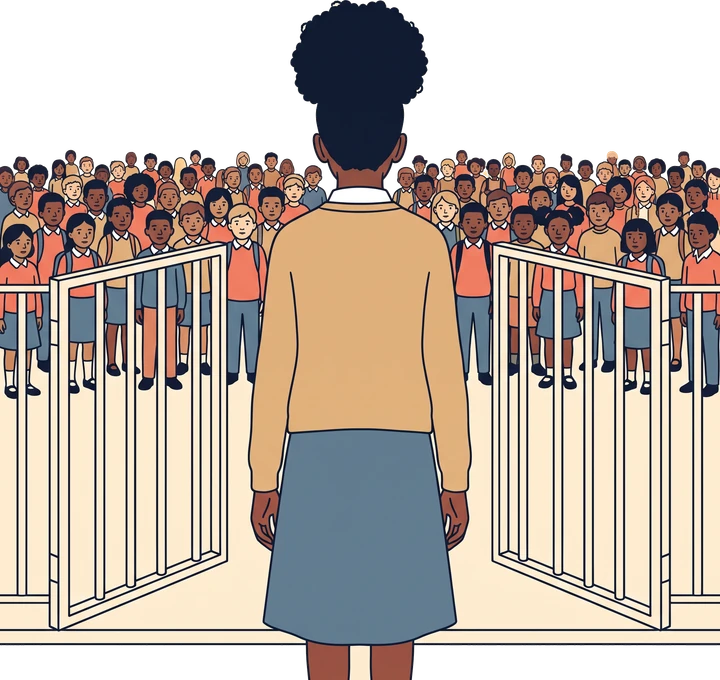
A drawing of a girl standing alone at an open school gate, looking in at a schoolyard packed completely full of other children.

SCORED HIGH

Grace

Did everything right. Scored high. Really high. And still didn't get in — because there were more good children than there were seats.

Her mum said it's fine, love. And then quietly wondered whether all of it had been for nothing.

Three different children. And behind each of them, a parent who couldn't tell what was really happening until it was too late to change it.

Amara, Daniel and Grace are composites, not real children.

A kitchen table in late afternoon, the light moved across it and the shadows long, blank papers left untouched where they were put down.
THE PROBLEM

That exam isn't testing what your child knows.

THE 11-PLUS SECONDARY SCHOOL GCSE AND AFTER THE 11-PLUS SECONDARY SCHOOL GCSE AND AFTER
A loose stack of blank practice papers and a pencil on a worn wooden kitchen table in raking morning light, the kitchen receding to a bright window.
A morning's worth of paper. The thinking behind it took years.

Training a child for one Saturday morning is like a boxer training for one fight night. Win or lose, the camp closes — and the fighter is left with nothing.

WHAT WE DO

We're not a fight camp.
We're a gym.

We build the thinking itself. Through play. Fifteen minutes a day. From as young as six, so it's never a panic.

THE SCIENCE

Four kinds of thinking. Four little muscles.

  • Words

    understanding how words relate to each other

  • Patterns

    spotting the rule inside a sequence of shapes

  • Numbers

    finding the logic underneath the arithmetic

  • Space

    turning a shape in your mind without touching it

WHAT WE BUILD WHAT THE EXAM ASKS WHAT WEBUILD WHAT THEEXAM ASKS

Made by the same people. Testing the same thinking.

Opening frame of the film: the words “Two children sit the same exam” on a deep blue ground. Play the film · 90 seconds · silent

Silent. Nothing loads until you press play.

We develop reasoning skill, technique and confidence. We do not claim to raise intelligence, and we never promise a school place.

An open book, a patterned tile, wooden blocks and brass weights set out along one long table receding toward a bright window.
EVERY DAY

Every day your child plays, you see what grew.

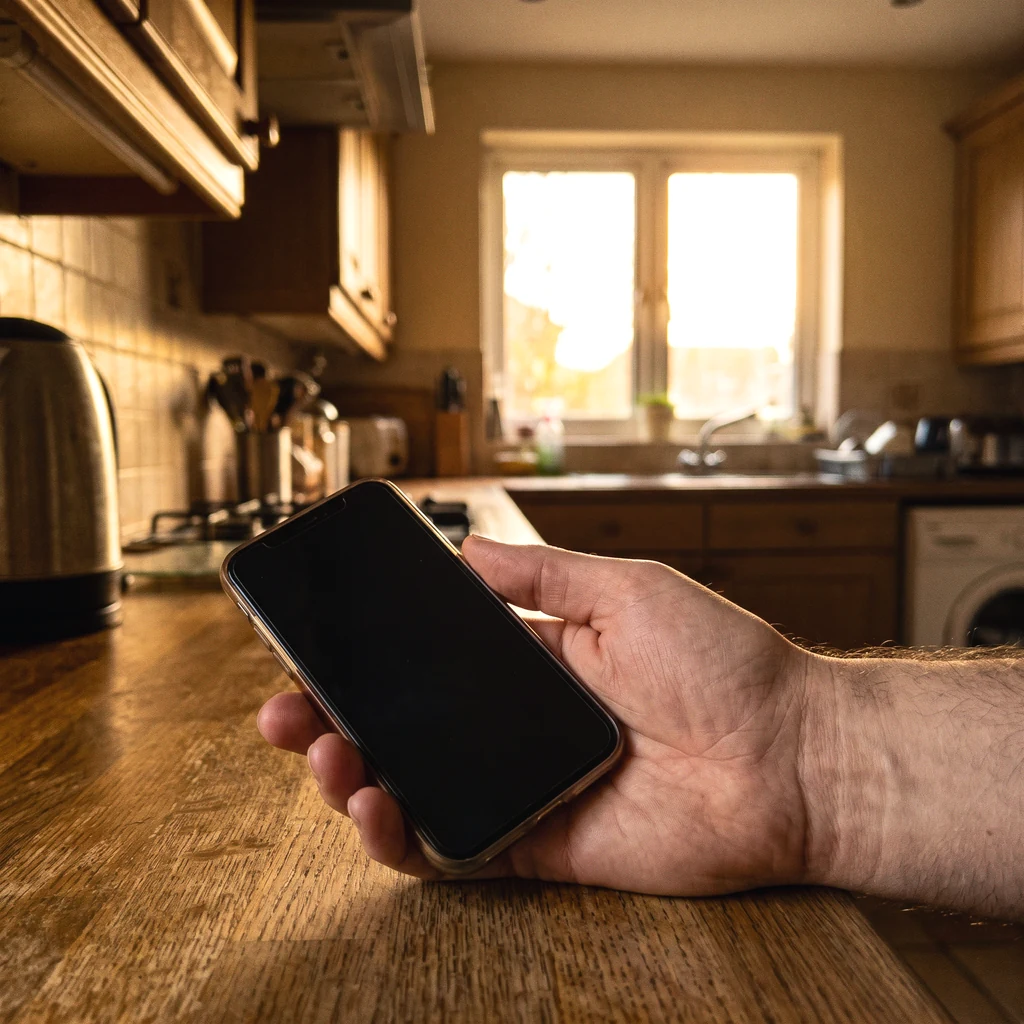
An adult hand holding a phone with a blank dark screen above a kitchen worktop, the kitchen receding to a bright window behind.
Standing up, before the kettle boils. That's when you'd look.
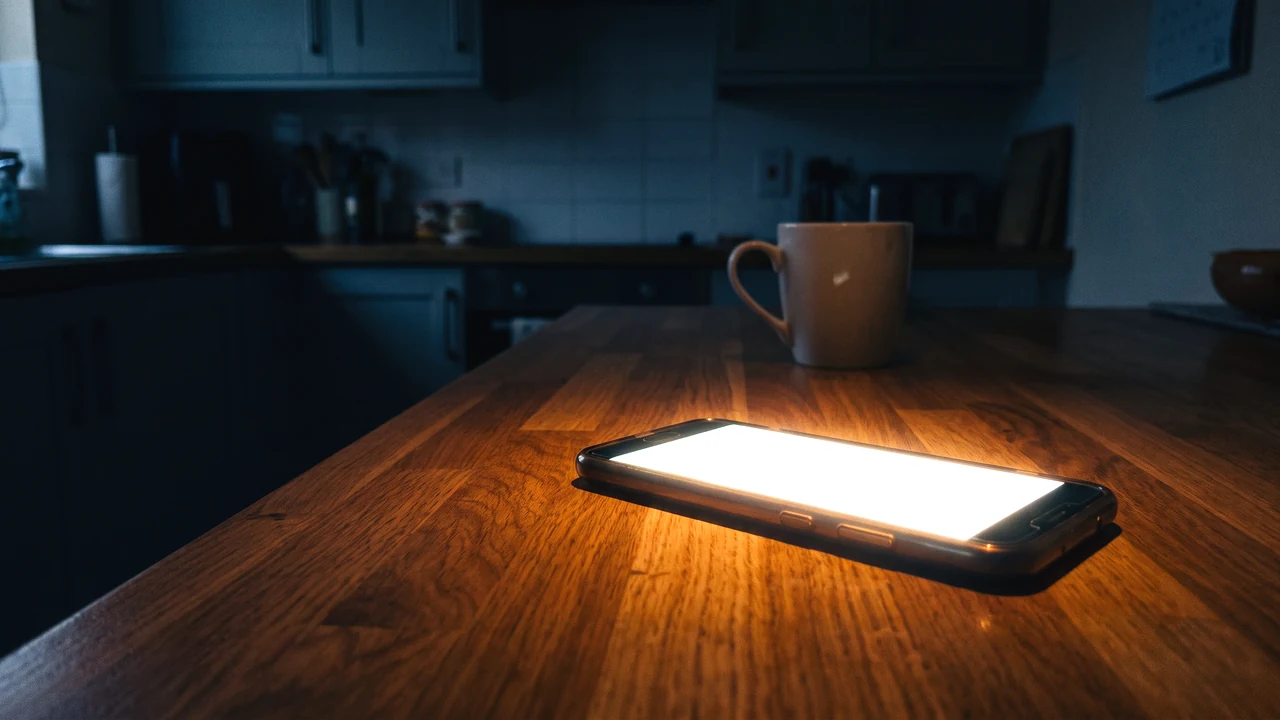
A phone lying face-up on a wooden table at night, its blank screen glowing and lighting the wood grain from below, the dark kitchen receding behind.
WHEN YOU'RE STUCK

And when you don't understand something, you ask.

None of us understand everything. So there's a teaching assistant that talks to you, privately, whenever suits you. Nine in the morning. Nine at night. After your shift. She explains the lesson so you can help your child properly.

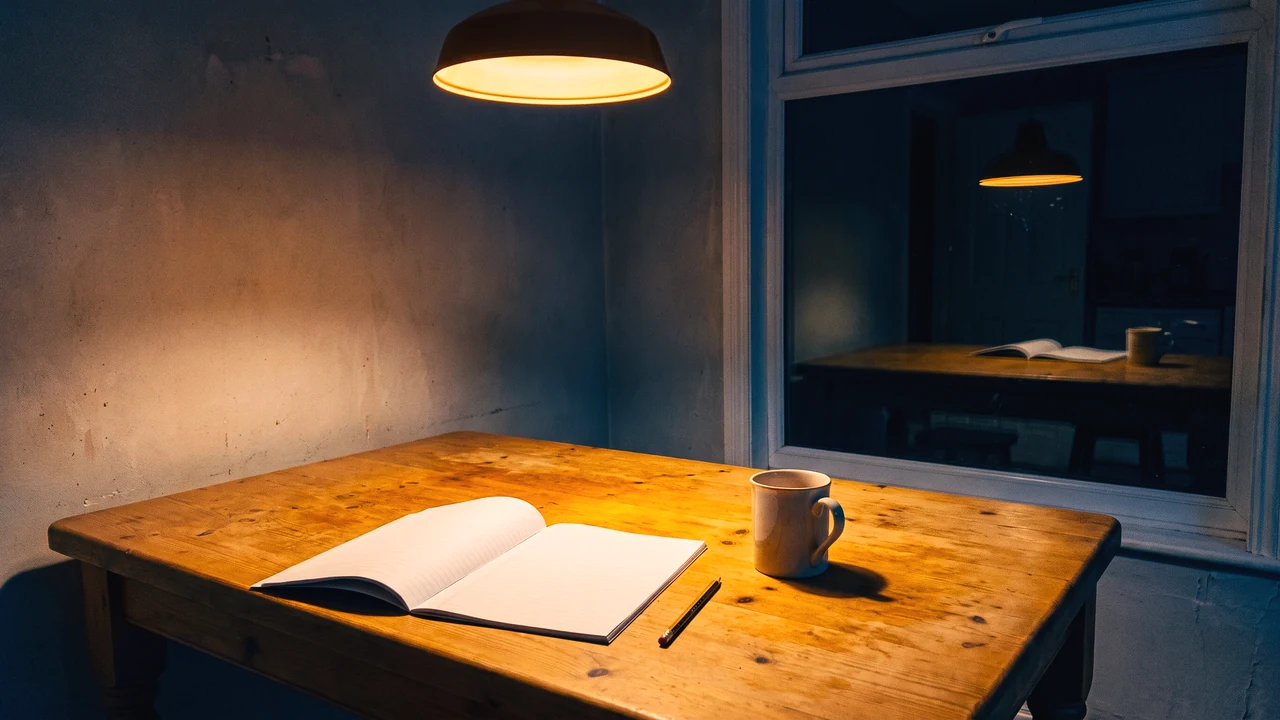
A kitchen table at night under a single warm lamp, a blank exercise book, a pencil and a half-drunk mug, the window beyond reflecting the lit room back.
The hour when there's usually nobody left to ask.

You're not a spectator in this. You're the most important part of it.

OUR PROMISES

Five promises we made before we built anything.

  • No loot boxes — nothing designed to hook your child

  • No punishing streaks — miss a day, lose nothing

  • No public leaderboards — no child is ever ranked against another

  • No advertising to children — ever, in any form

  • One-click cancellation — leave whenever you want, no fighting us

THE PILOT

A look at what we're building.

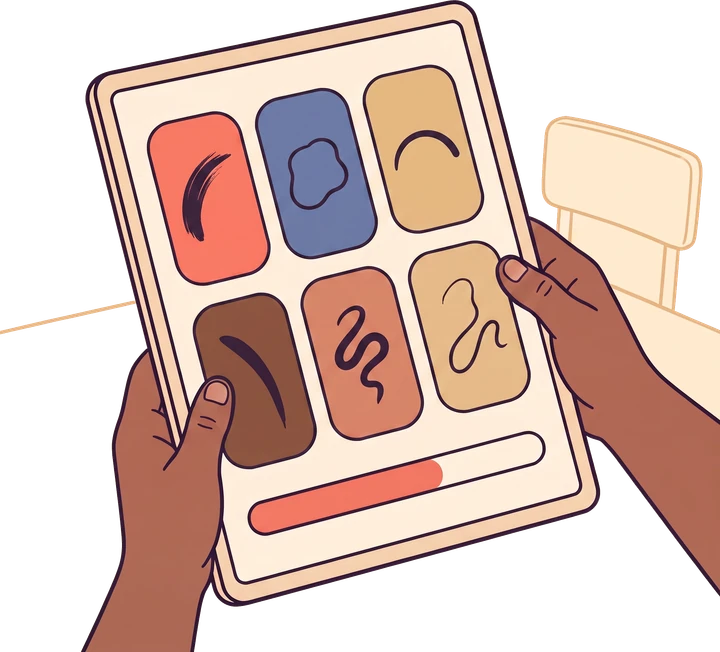
A drawing of a tablet held in two hands, its screen showing six coloured tiles each holding a soft abstract mark, and a progress bar partly filled.
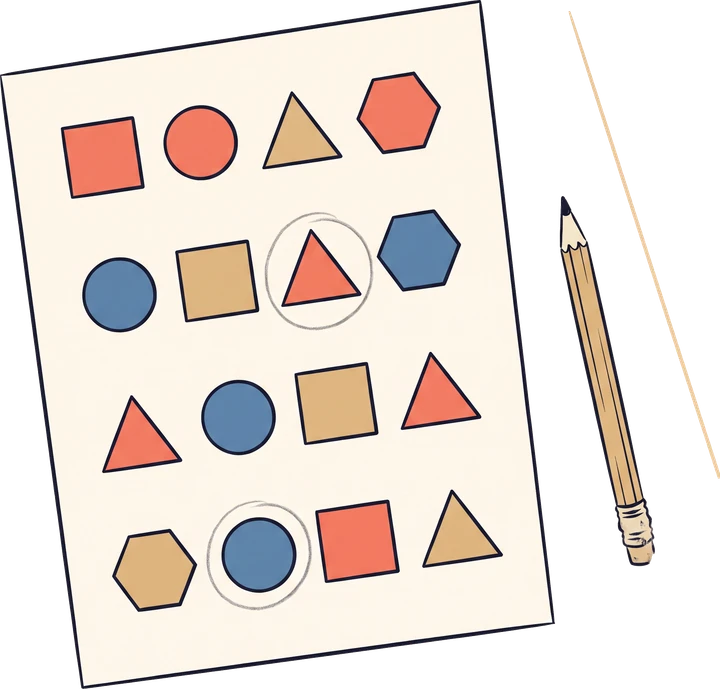
A drawing of a worksheet on a table, ruled into rows of coloured circles, squares, triangles and hexagons forming repeating patterns, with a pencil beside it.
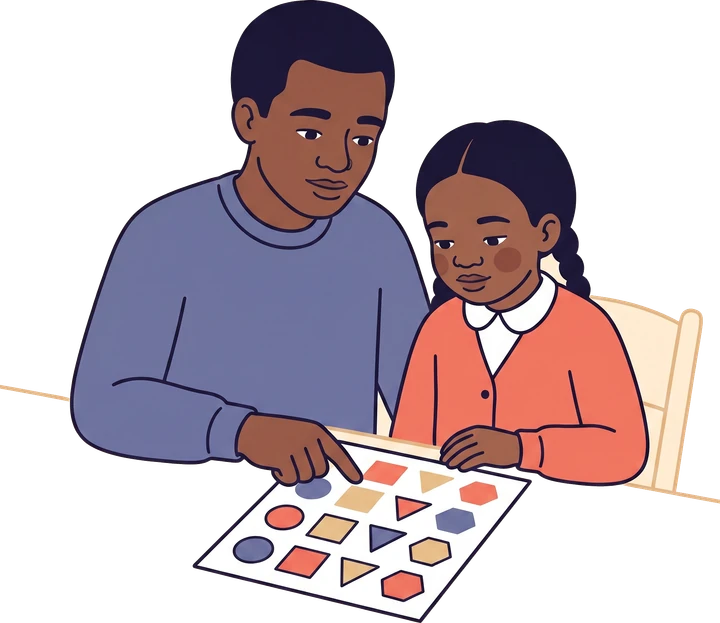
A drawing of a parent and child sitting side by side at a table, both looking down at a worksheet of coloured shapes while the parent points at it.
A drawing of a parent and child sitting together with a tablet held between them, the child reaching to tap a tile on the screen.

We're building this now, and we're looking for families to try it first. Register your interest and we'll come to you when it's ready. Free, and nothing to cancel.

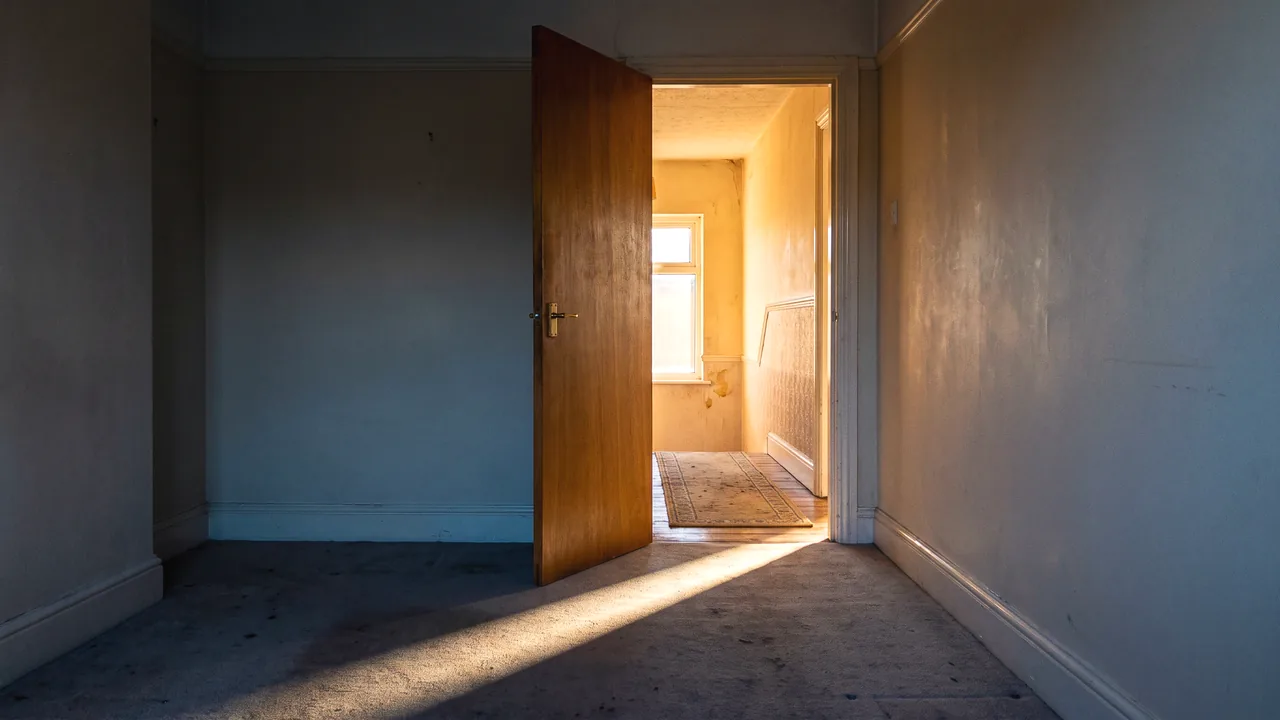
A door standing open onto a bright landing, the near room dim and cool, a hard bar of daylight thrown across the floor through the doorway.
AND ON

We won't build this and hand it to you finished.

We're four people in Birmingham building this now — and we're building it with you. A few quick questions, mostly tapping, a couple of minutes. Tell us what's worked, what hasn't, and where we've got it wrong. You don't have to give your name.

Or join the Birmingham families already inside

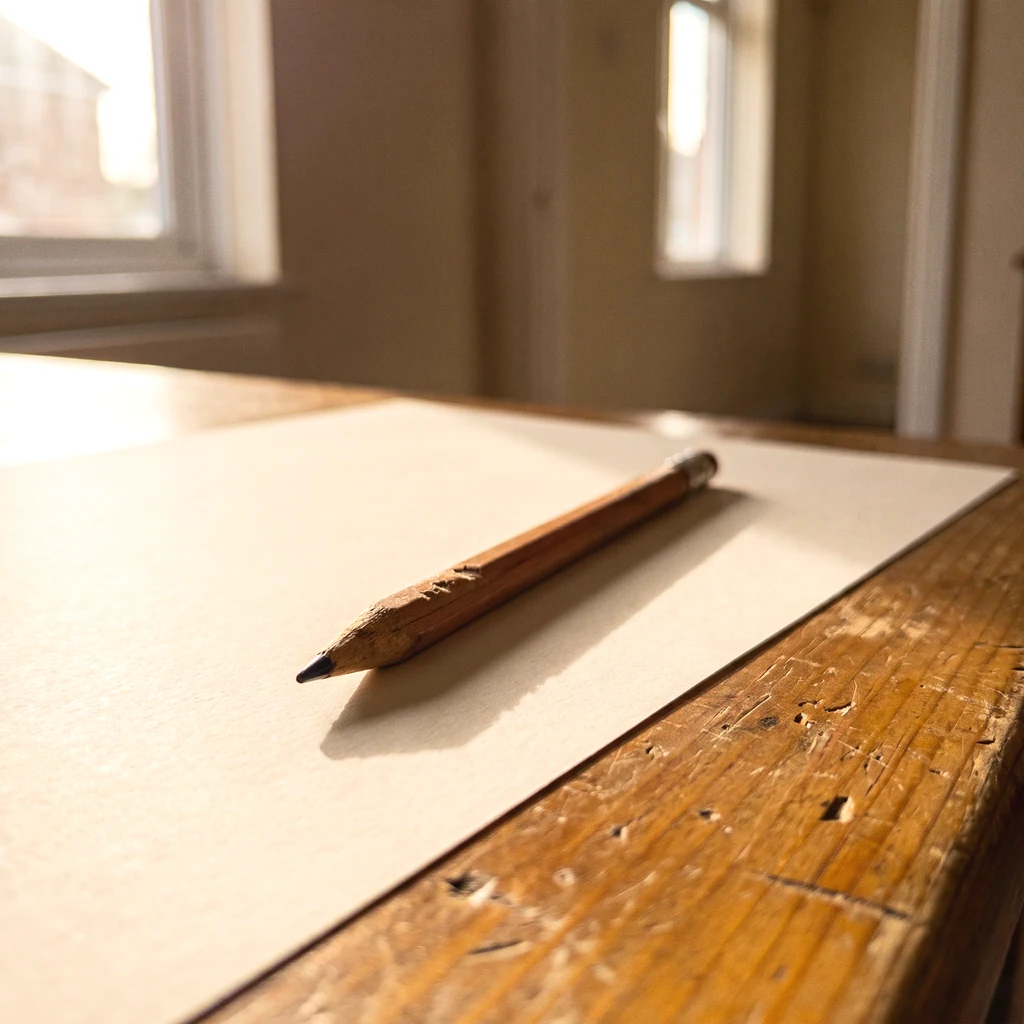
A well-used pencil lying diagonally on a sheet of blank cream paper on a wooden table, a soft shadow cast by window light from one side.
Your turn.

You shouldn't have to wonder whether your child is growing.
You should be able to see it.